

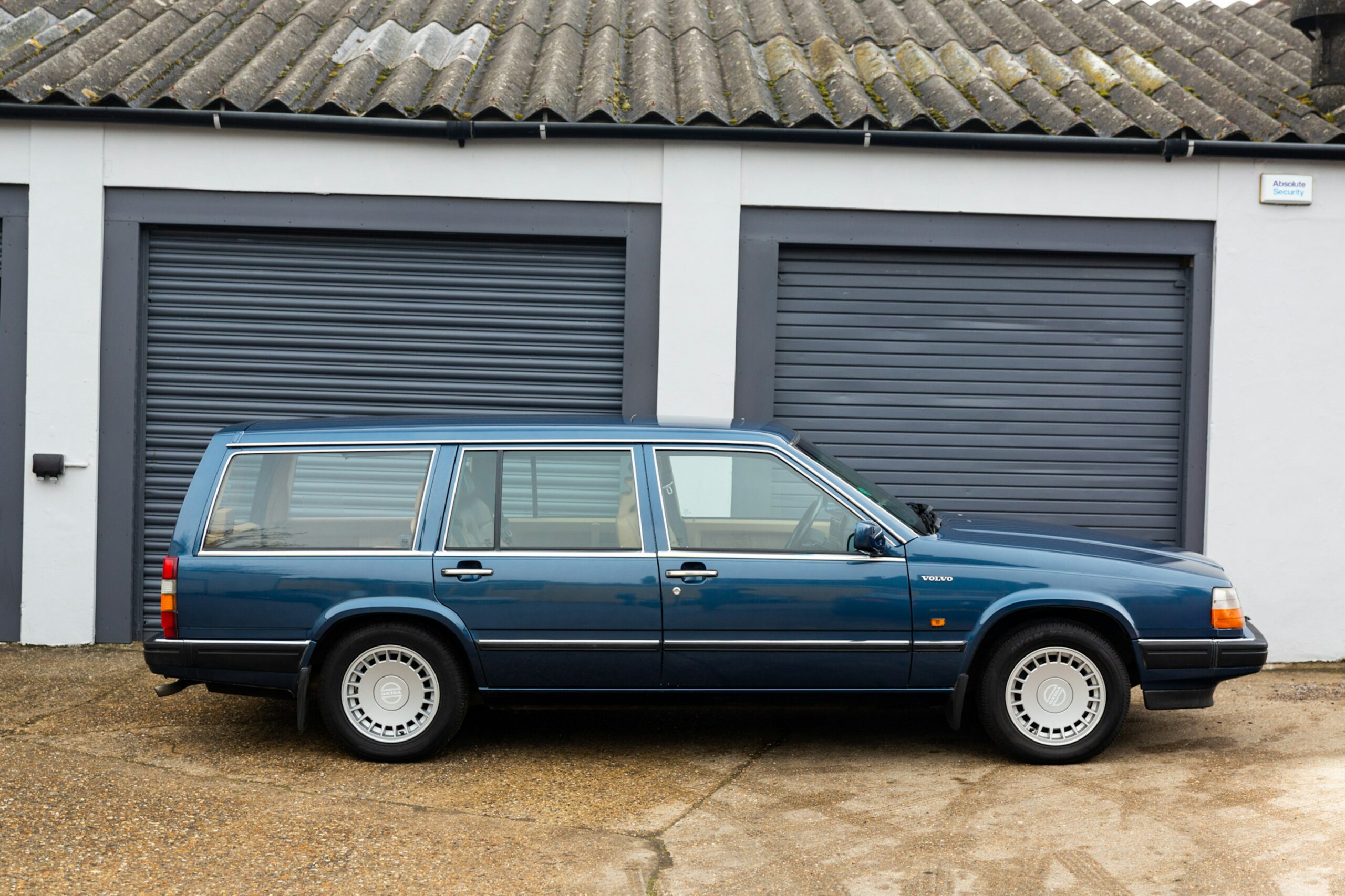
The other day I was sitting at a red light behind an old Volvo 760 when a strange thought popped into my head:
“Wait a second… this car has the soul of a DeLorean.”
What in the world am I talking about? What did the barista slip into my coffee?
It wasn’t the stainless steel body, the wedge shape (maybe a little wedge), or gullwing doors that made me think that.
It was the engine.
The Volvo sitting in front of me was powered by the same PRV V6 engine that lives behind the rear wheels of every DeLorean DMC-12.
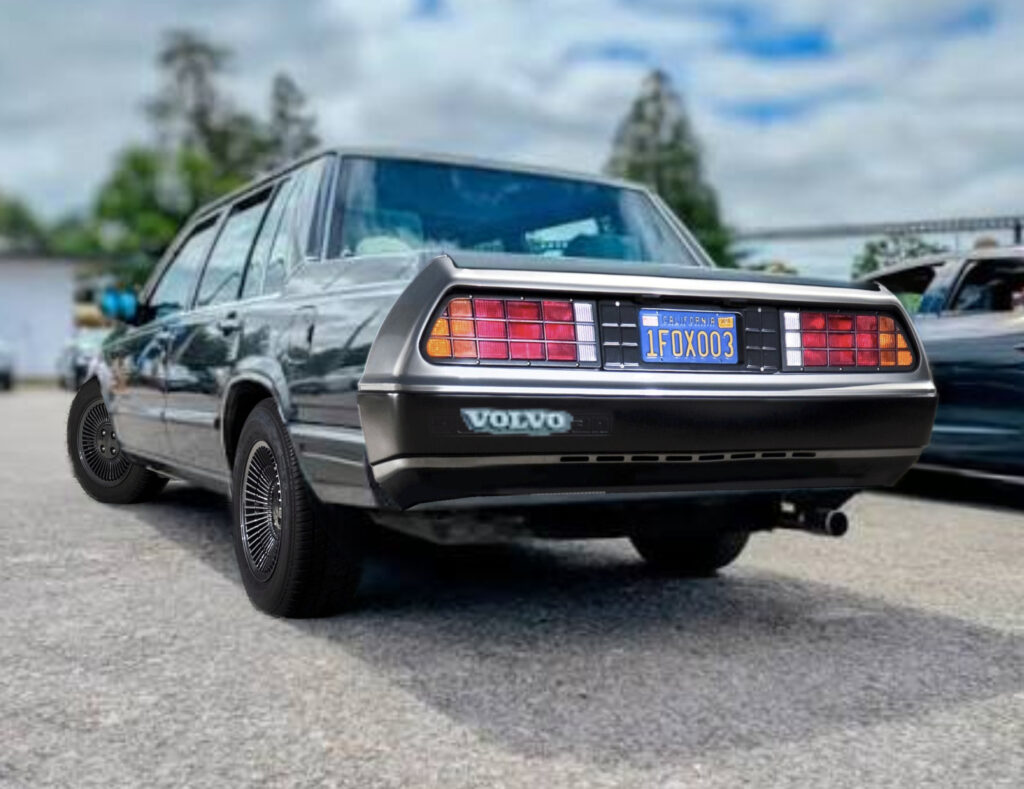
One of the biggest misconceptions about the DeLorean is that its engine was something unique or exotic. In reality, John DeLorean chose an engine that was already being used successfully in several production vehicles around the world. It was proven, and most importantly, available and affordable.
The PRV engine—named after Peugeot, Renault, and Volvo—was developed as a joint venture between the three manufacturers in the early 1970s. By the time the DeLorean entered production in 1981, the engine already had years of real-world testing behind it.
That means every time you see an old Volvo 760, Volvo 780, Peugeot 604, Renault 25, or several other European cars from the era, you’re looking at a close mechanical cousin to the DeLorean.
Maybe not a DeLorean in appearance…
…but definitely a DeLorean at heart.
Source:
https://en.wikipedia.org/wiki/PRV_engine & https://collectingcars.com/for-sale/1989-volvo-760-gle-estate?modal=gallery
The similarities between Volvo and DeLorean don’t stop under the hood.
Both companies placed an enormous emphasis on safety. At least DeLorean, early on, to gather interest/investors.

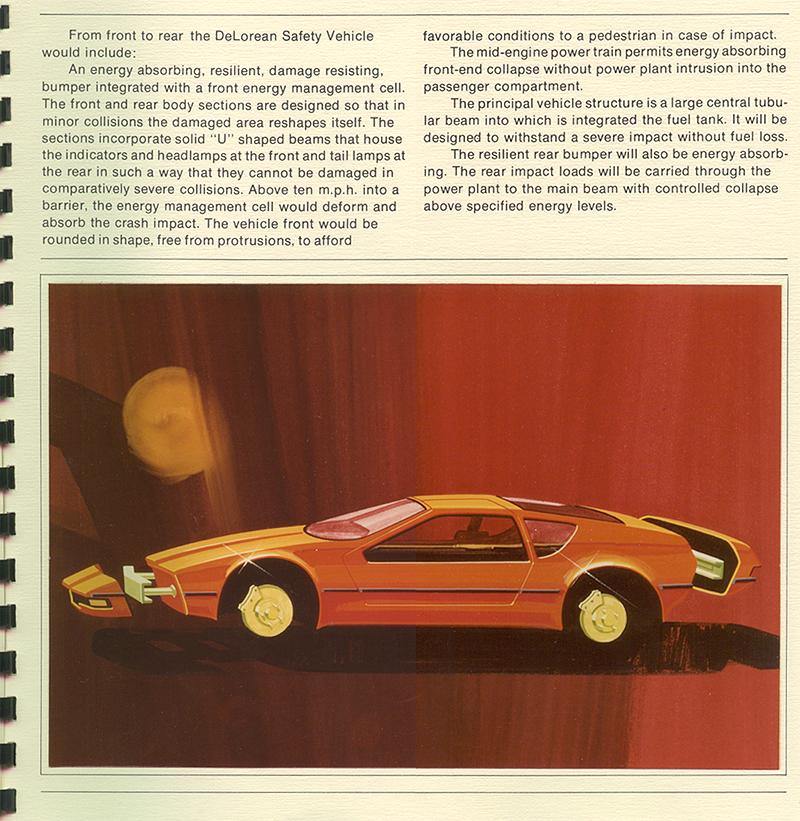
Long before the famous DMC-12 reached production, John DeLorean introduced the concept of the DeLorean Safety Vehicle (DSV). The concept was designed to showcase ideas that were decades ahead of many production cars, including energy-absorbing structures, advanced crash protection, and even airbags. The DSV wasn’t just a styling exercise—it was John DeLorean’s vision for what safer automobiles could become. The bumpers on the DSV give me Bricklin vibes. Is that a coincidence?
Source:
https://www.entermyworld.com/history/delorean-documents
Volvo, of course, built its reputation on exactly that philosophy.
In 1959, Volvo engineer Nils Bohlin invented the modern three-point seat belt, arguably one of the most important safety innovations in automotive history. Rather than keeping the patent exclusive, Volvo made it freely available to other manufacturers, allowing the design to save millions of lives around the world.
Source:
https://www.volvogroup.com/en/about-us/heritage/three-point-safety-belt.html
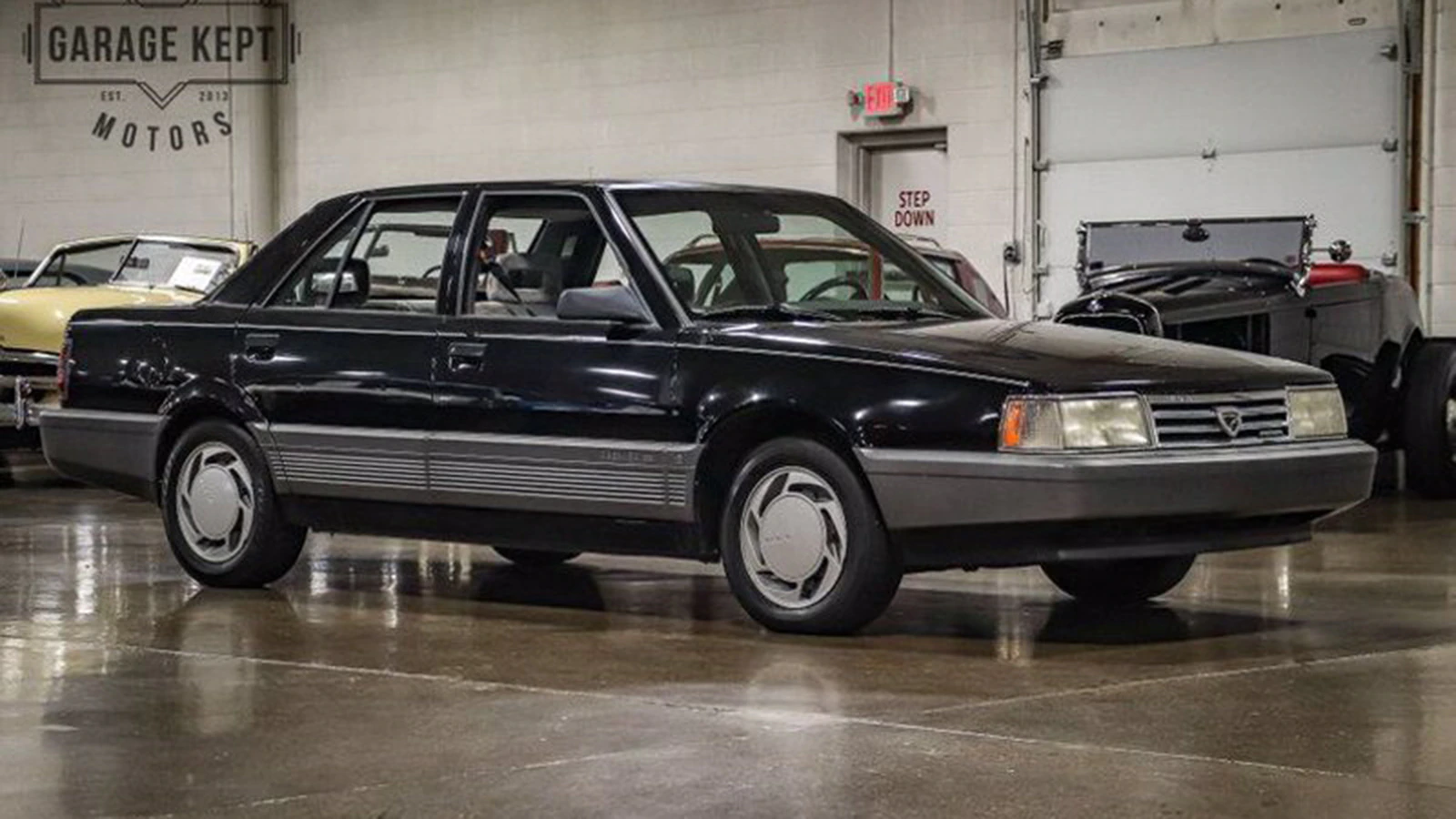
The PRV engine also powered a car that’s a little more personal to me.
My grandmother drove an 1989 Eagle Premier.
As a kid, I thought that car looked like something from the future. If I’m remembering correctly, it even talked to you when you climbed in and turned the key. The digital dashboard felt incredibly high-tech at the time, especially compared to most of the cars on the road.
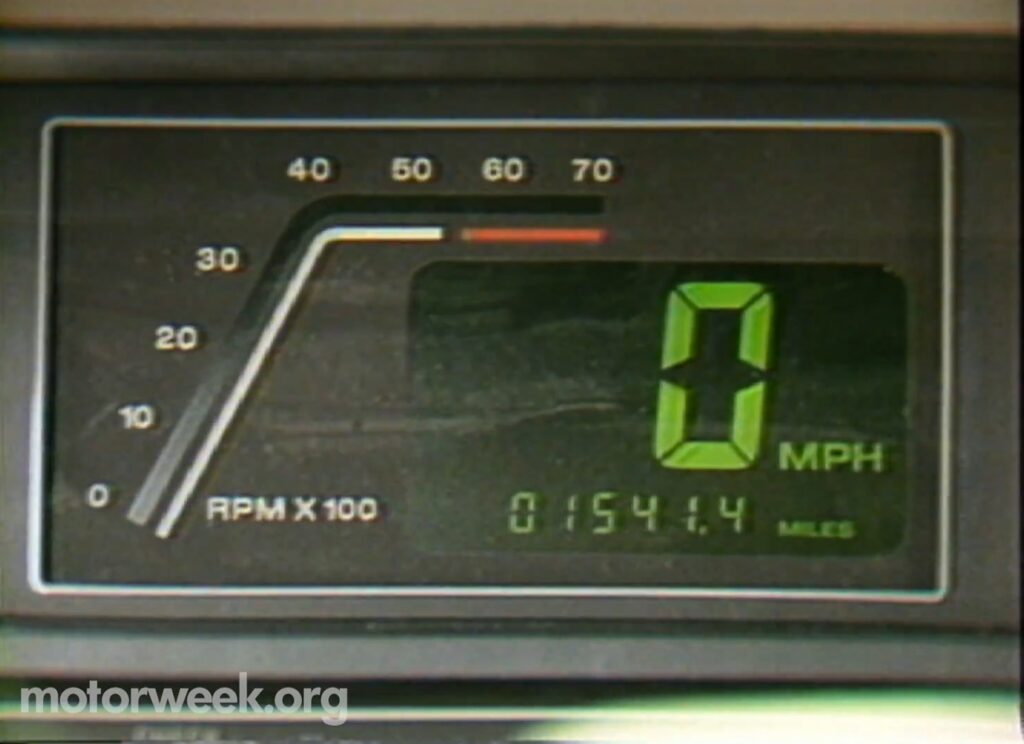
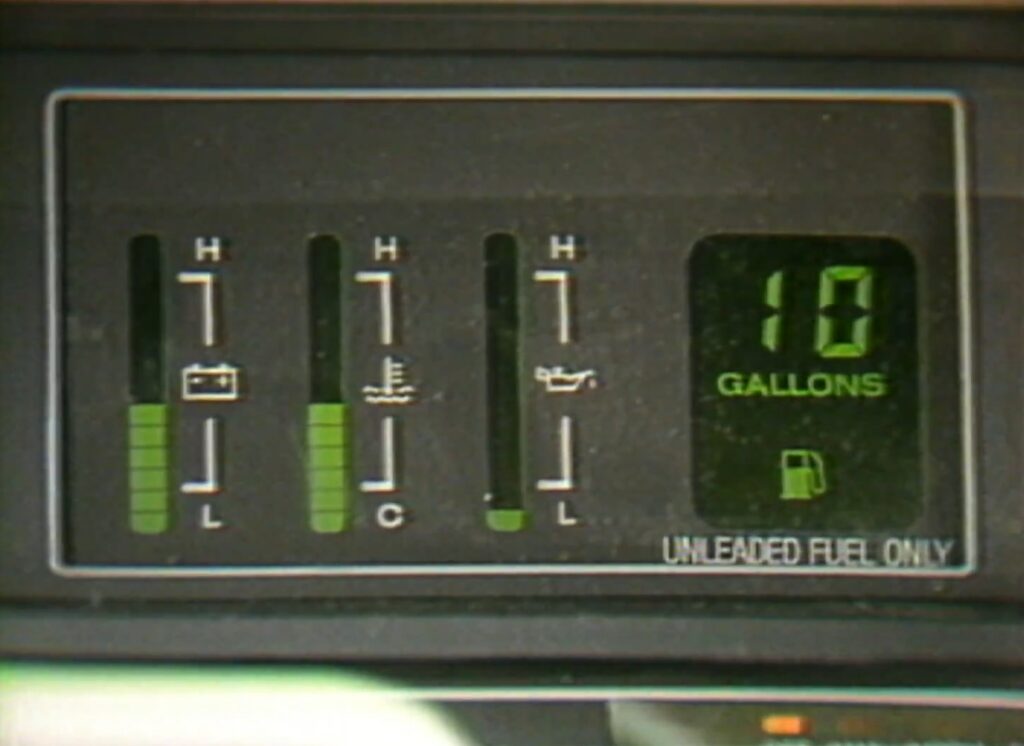
Unfortunately, I also remember hearing it spent a fair amount of time back at the dealership as it didn’t always want to start. Electrical gremlins I believe.
Thankfully for Grandma, it was only a lease.
Looking back now, it’s funny to realize that the same basic engine architecture powering my favorite sports car was also sitting under the hood of my grandmother’s family sedan.
Source:
Not exactly.
The DeLorean certainly wasn’t famous for its horsepower.
Even by early-1980s standards, the 130-horsepower PRV V6 wasn’t going to win many drag races.
But horsepower wasn’t really why John DeLorean selected it.
The PRV was already a proven, reliable engine with an established production network and worldwide parts availability. For a brand-new automaker trying to get a car quickly into production, choosing an existing engine made far more sense than developing an entirely new powerplant from scratch. It took Lotus a long time to realize this same approach.
The PRV engine appeared in dozens of vehicles over nearly two decades of production. Some of the more recognizable models include:
Source:
https://dmctalk.org/showthread.php?733-PRVs-in-other-cars
The next time you’re driving and spot an old Volvo 760, Eagle Premier, or one of the many European cars that shared the PRV V6, take a second look.
You may not be looking at stainless steel.
You won’t see gullwing doors.
No one will be asking if it can run on garbage.
But underneath, you’ll be looking at one of the closest relatives the DeLorean ever had.
Sometimes the most interesting pieces of automotive history aren’t hidden away in museums.
Sometimes they’re sitting quietly at the stoplight right in front of you.